
7 Simple Tips to Prevent Amputation if You Have Diabetes

If you have diabetes, it’s normal to worry about foot problems—especially the risk of infection or amputation. The good news is that many amputations are preventable with the right daily habits and regular medical care.
As a podiatrist, I’ve seen firsthand how small steps can make a huge difference in protecting your feet and preventing serious complications.
Here are seven simple but powerful tips to help keep your feet safe if you have diabetes.
Why Diabetes Affects Your Feet

Diabetes affects more than just blood sugar—it can impact nerves, circulation, and healing, especially in the feet.
Over time, high blood sugar can lead to:
Peripheral neuropathy (nerve damage) — causing numbness or tingling in the feet
Poor circulation — making wounds slow to heal
Increased infection risk — even small cuts can become serious
When these issues combine, minor injuries can quickly turn into infections. Without proper care, infections can worsen and, in severe cases, lead to amputation.
The goal is prevention—not panic.
7 Simple Tips to Help Prevent Amputation
1. Control Your Blood Sugar
Keeping your blood sugar in a healthy range is the most important step in protecting your feet.

Healthy habits that help include:
Following your prescribed diabetes treatment plan
Eating balanced meals
Staying physically active
Getting consistent sleep
Monitoring your A1C levels regularly
When blood sugar is controlled, your nerves and circulation are better protected.
2. Check Your Feet Every Day
Daily foot checks are one of the most powerful habits you can build.
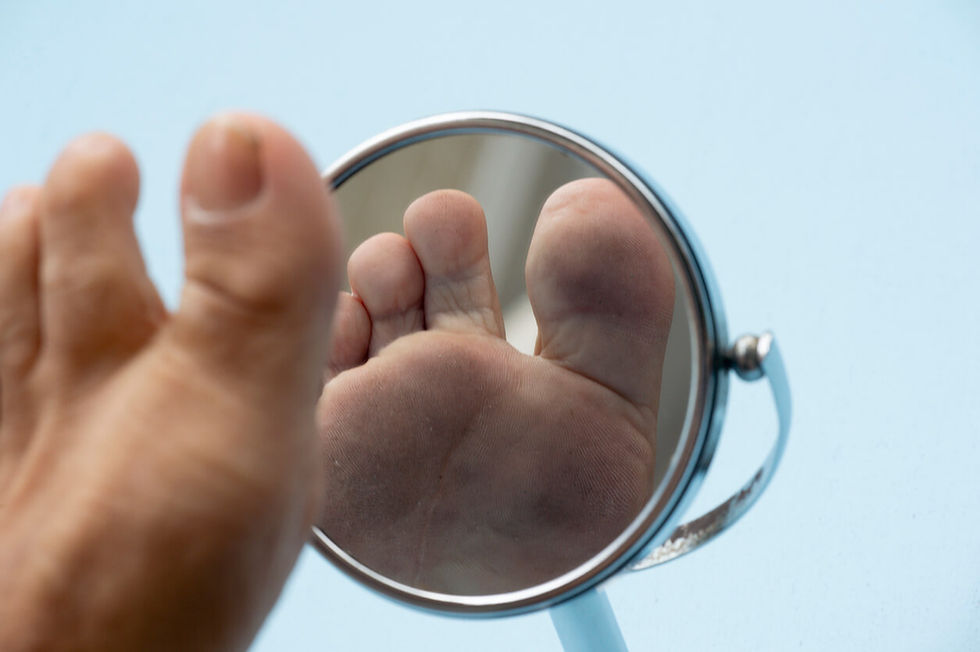
Look for:
Redness
Cuts or scratches
Blisters
Swelling
Changes in skin color
Drainage or odor
If you have trouble seeing the bottoms of your feet, use a mirror or ask a family member to help.
Even small changes matter.
3. See a Podiatrist Regularly
Routine foot exams help catch problems early—before they become serious.

Many patients with diabetes should see a podiatrist:
At least once per year
More often if blood sugar is poorly controlled
If you already have neuropathy
If you’ve had foot wounds before
Early treatment can prevent complications that might otherwise lead to hospitalization or amputation.
4. Avoid Walking Barefoot
Walking barefoot increases your risk of injury—even inside your home.

With neuropathy, you may not feel:
A sharp object
A splinter
A burn from hot surfaces
Always wear:
Supportive shoes outdoors
Slippers or protective footwear indoors
Protection matters more than comfort alone.
5. Be Careful With Temperature
People with diabetes are more likely to experience burns or cold injuries.

Avoid:
Walking barefoot on hot pavement
Using heating pads on your feet
Soaking feet in very hot water
Exposure to freezing temperatures
Always test water temperature with your hand before placing your feet in it.
6. Wear Properly Fitting Shoes
Shoes that fit well reduce pressure points and protect your feet from injury.
If you have diabetes, you may qualify for:

Diabetic shoes covered by Medicare, typically once per year.
These shoes:
Provide better support
Reduce pressure areas
Help prevent ulcers
Improve comfort during walking
If your shoes feel tight, rub, or cause redness, it’s time for an evaluation.
7. Choose Safe Pedicures
Foot care matters—but safety matters even more.
Traditional nail salons may use tools that are not medically sterile, which increases infection risk.

Safer options include:
Medical-grade foot care
Podiatry nail trimming
Medical pedicure services performed by trained professionals
If you have diabetes, always inform anyone providing foot care.
When to Seek Medical Attention Immediately
Contact a podiatrist or healthcare provider if you notice:
A wound that isn’t healing
Redness or swelling
Drainage from the foot
A foul odor
Skin discoloration
Fever with a foot wound
Early treatment saves limbs.
Preventing Amputation Starts With Daily Habits

Amputation prevention isn’t about fear—it’s about consistency.
Simple daily steps, combined with regular medical care, can dramatically reduce your risk of serious complications.
If you have diabetes, protecting your feet should be part of your everyday routine.
Frequently Asked Questions
How often should diabetics check their feet?
Daily foot checks are recommended for anyone with diabetes, especially those with neuropathy or circulation problems.
Do all diabetics need special shoes?
Not everyone needs diabetic shoes, but many patients qualify—especially those with neuropathy, deformities, or prior ulcers.
Can small cuts really lead to amputation?
Yes—small wounds can become serious if circulation is poor or healing is delayed. Early treatment is key.

Comments